Finding a Lung Nodule Can Feel Scary
Hearing the words “lung nodule” can be worrying.
Many patients only find out they have a lung nodule after doing a chest X-ray, CT scan, Low Dose CT lung scan, or health screening. The report may mention a “spot,” “small opacity,” “pulmonary nodule,” or “lung nodule.”
Naturally, the first thought is often:
“Is this cancer?”
The truth is, a lung nodule is not a diagnosis by itself. It is an imaging finding that needs proper review.
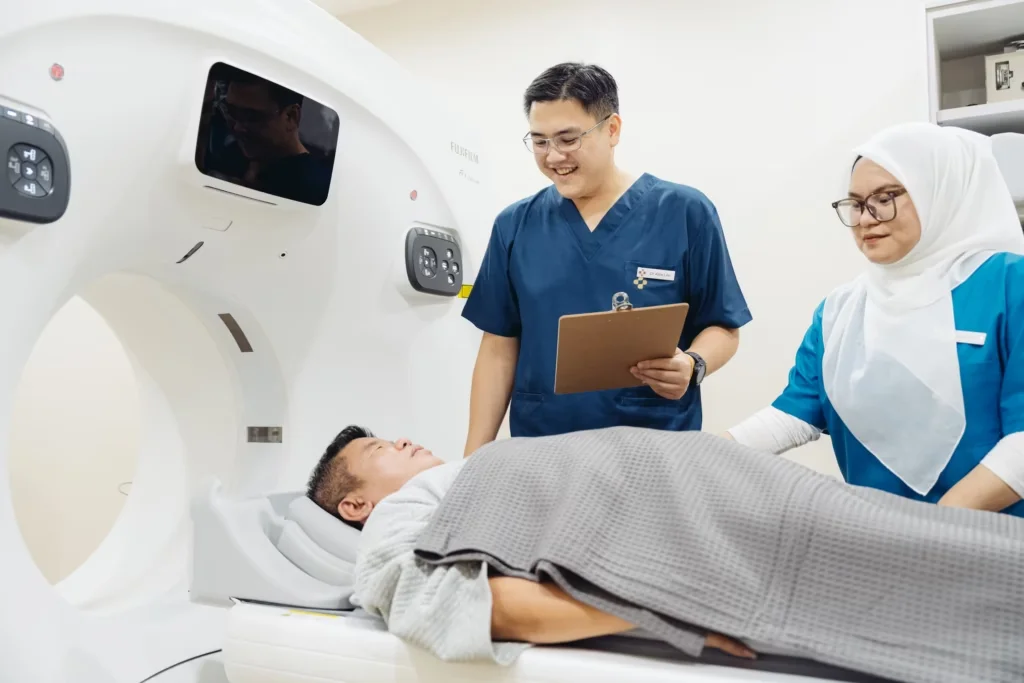
This is where a Low Dose CT lung scan, also known as LDCT, can play an important role. LDCT provides detailed images of the lungs and may help doctors assess small lung nodules more clearly than a normal chest X-ray.
The goal is not to panic when a nodule is found. The goal is to understand what it may mean, what doctors look for, and whether follow-up is needed.
What Is a Lung Nodule?
A lung nodule is a small abnormal spot or growth in the lung.
It is usually found through imaging tests such as a chest X-ray, CT scan, or Low Dose CT lung scan. On the image, it may appear as a small round or oval spot in the lung.
Lung nodules can be very small, and many people do not feel anything when they have one. In fact, many nodules are discovered by chance when a person goes for a health screening or a scan for another reason.
A lung nodule is not a diagnosis by itself. It is a finding on an imaging scan.
That means the next step is to understand what kind of nodule it is, whether it looks harmless or suspicious, and whether it needs monitoring or further investigation.
Are Lung Nodules Always Cancer?
No. Lung nodules are not always cancer.
This is one of the most important things patients should understand. Finding a lung nodule does not automatically mean you have lung cancer.
Many nodules are caused by non-cancerous conditions, such as:
- Previous lung infection
- Old inflammation
- Scarring in the lung
- Benign growths
- Granulomas from past infections
- Certain autoimmune or inflammatory conditions
However, some lung nodules may be early signs of lung cancer, especially when they appear in high-risk individuals.
This is why doctors do not usually judge a nodule based on one factor only. They look at the full picture, including the patient’s age, smoking history, family history, symptoms, nodule size, appearance, and whether the nodule changes over time.
How Low Dose CT Helps Detect and Assess Lung Nodules
A chest X-ray can give doctors a general view of the lungs, but it may not always show very small lung nodules clearly. Small nodules may be hidden behind the ribs, heart, diaphragm, or other chest structures.
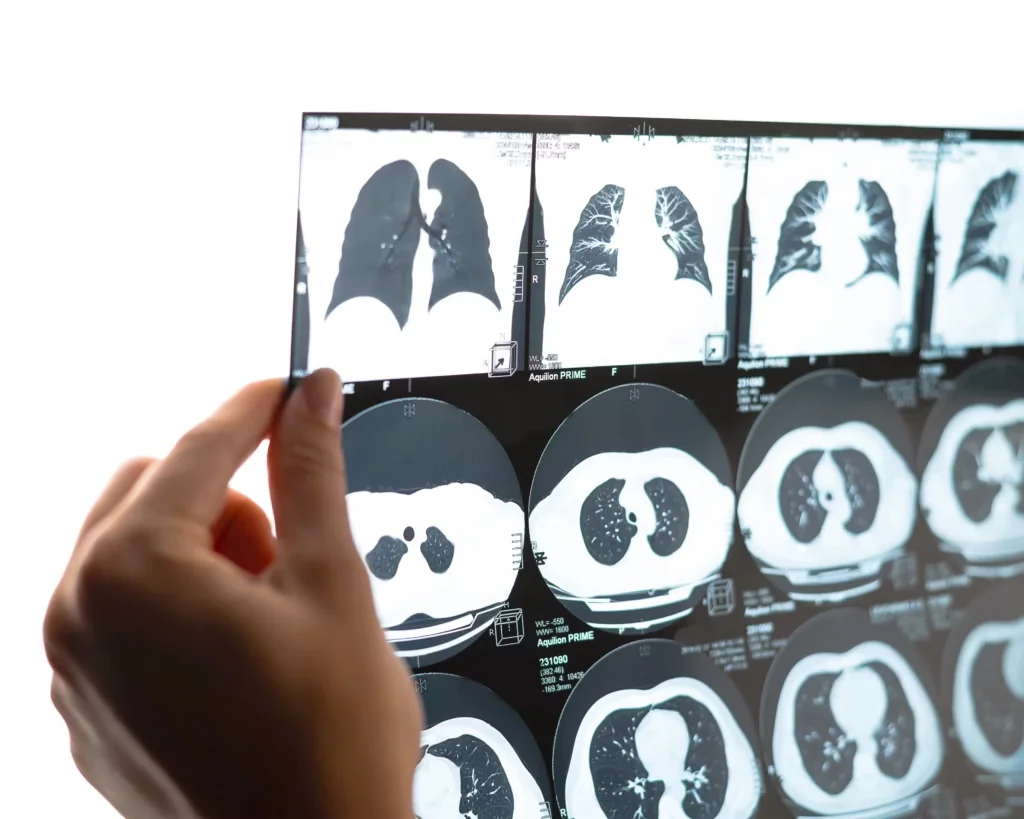
A Low Dose CT lung scan provides a more detailed view by capturing multiple thin images of the lungs. These images allow doctors and radiologists to assess the lungs layer by layer.
LDCT may help doctors assess:
- The size of the nodule
- The location of the nodule
- Whether the nodule is solid, ground-glass, or part-solid
- Whether the border looks smooth or irregular
- Whether there are multiple nodules
- Whether the nodule has changed compared to previous scans
This information helps doctors decide whether the nodule looks low-risk, needs monitoring, or requires further investigation.
LDCT is not a cancer diagnosis test. It does not confirm cancer by itself. Instead, it is a screening and assessment tool that helps detect small lung changes earlier and guide the next step more clearly.
What Doctors Look At When Reviewing a Lung Nodule
When a lung nodule is found, doctors and radiologists will usually look at several key factors before deciding what to do next.
These include:
- Size: Smaller nodules are often less concerning, while larger nodules may need closer follow-up.
- Shape and border: Smooth, round nodules may be less suspicious. Irregular or uneven borders may need closer attention.
- Density: Some nodules are solid, some are ground-glass, and some are part-solid. Different types may need different follow-up plans.
- Growth over time: A nodule that stays the same over time is often less concerning. A nodule that grows or changes may need further assessment.
- Personal risk factors: Age, smoking history, family history, chronic lung disease, previous cancer history, and long-term exposure to harmful particles can affect how the nodule is managed.
This is why comparing with old scans is useful. If you have done a previous chest X-ray, CT scan, LDCT scan, or health screening elsewhere, bring the old report or images for your doctor to review.
Do Lung Nodules Cause Symptoms?
Most small lung nodules do not cause symptoms.
Many people feel completely normal when a nodule is found. They may not have cough, chest pain, breathing difficulty, or weight loss.
This is why lung nodules are often detected through imaging rather than symptoms.
However, if a person has symptoms such as persistent cough, coughing up blood, unexplained weight loss, shortness of breath, or chest discomfort, they should speak to a doctor. Symptoms do not automatically mean the nodule is cancer, but they should not be ignored.
What Happens After a Lung Nodule Is Found?
The next step depends on the nodule itself and the patient’s risk profile.
Your doctor may recommend:
- No immediate action if the nodule looks low-risk
- A follow-up LDCT or CT scan after a certain period
- Comparison with previous scans
- Referral to a respiratory specialist
- PET-CT, biopsy, or further testing if the nodule looks suspicious
Not every nodule needs biopsy or surgery.
In many cases, monitoring is the safest and most appropriate plan. Follow-up imaging helps doctors check whether the nodule is stable, growing, changing in density, or becoming more suspicious.
This helps avoid unnecessary procedures while still making sure important changes are not missed.
The key is having a clear follow-up plan.
Why Follow-Up with LDCT May Be Important
A lung nodule is not something you should simply forget about after reading the report.
Even if the nodule does not look immediately dangerous, your doctor may still recommend follow-up imaging to check whether it changes over time.
Low Dose CT may be used for follow-up because it can provide detailed lung images while using a lower radiation dose than a standard diagnostic CT scan.
Follow-up helps answer important questions:
- Is the nodule stable?
- Has it grown?
- Has the density changed?
- Does it need further testing?
- Can it continue to be monitored safely?
For many patients, follow-up brings clarity. Instead of worrying without direction, they know when to check again and what the next step should be.
This is especially important for people with higher lung cancer risk.
Early assessment and proper monitoring can help detect concerning changes earlier, when there may be more options for treatment and management.
When Should You Be More Concerned?
A lung nodule may need closer attention if:
- You are above 50 years old
- You are a current or former smoker
- You have a strong family history of lung cancer
- The nodule is growing
- The nodule has an irregular appearance
- The nodule is larger in size
- You have symptoms such as coughing blood, unexplained weight loss, or persistent cough
- You have long-term exposure to harmful particles or industrial dust
These factors do not mean the nodule is definitely cancer. They simply mean that further assessment may be more important.
The best thing to do is to discuss the finding with a healthcare professional instead of guessing from the report alone.
Accessing LDCT Screening in Johor Bahru
At Premium Pro, lung health screening is approached with early detection in mind. LDCT uses advanced CT imaging to produce detailed cross-sectional images of the lungs, allowing doctors to detect small nodules or suspicious changes that may not be visible on a normal X-ray.
Premium Pro Healthcare Centre
53 & 55, Jalan Mutiara Emas 10/2,
Taman Mount Austin,
81100 Johor Bahru, Johor Darul Ta’zim
018-762 8355
Conclusion: Do Not Panic, But Do Not Ignore It
Finding a lung nodule can feel frightening, but it does not automatically mean cancer.
Many lung nodules are benign and may be related to past infections, inflammation, or scarring. However, because some nodules may represent early lung cancer or other important lung conditions, proper medical review is important.
A Low Dose CT lung scan can help doctors detect and assess small lung nodules more clearly than a normal chest X-ray. It can also help monitor whether a nodule changes over time.
If a lung nodule is found during your health screening, chest X-ray, CT scan, or LDCT scan, speak to a healthcare professional. Bring your previous reports if you have them, understand your risk factors, and follow the recommended monitoring plan.
A lung nodule is not always dangerous, but it should be taken seriously.
Early review, clear explanation, and proper follow-up can help you manage the finding with more confidence.
Frequently Asked Questions
Is a lung nodule cancer?
Not always. Many lung nodules are benign and may be caused by old infections, inflammation, or scarring. However, some nodules need follow-up to make sure they are not growing or becoming suspicious.
Can Low Dose CT detect lung nodules?
Yes. Low Dose CT can provide detailed images of the lungs and may detect small nodules that may not be clearly visible on a normal chest X-ray.
Is LDCT the same as a biopsy?
No. LDCT is an imaging scan. It helps doctors see lung changes, but it does not confirm cancer by itself. A biopsy may only be considered if the nodule looks suspicious.
Can a lung nodule disappear?
Some nodules caused by infection or inflammation may shrink or disappear over time. Others may stay stable for years. Your doctor can advise whether follow-up imaging is needed.
Do lung nodules cause pain?
Most small lung nodules do not cause pain or symptoms. They are often found by chance during imaging tests.
Do I need a CT scan if a nodule is seen on chest X-ray?
A CT scan or Low Dose CT scan may be recommended because it gives a more detailed view of the lungs. Your doctor will advise based on the X-ray finding and your risk factors.
What should I bring to my doctor after a lung nodule is found?
Bring your imaging report, scan images if available, previous chest X-ray, CT or LDCT reports, smoking history, medication list, and any symptoms you are experiencing.