
Introduction: Lung Health Should Not Wait for Symptoms
For many smokers and ex-smokers, lung health is often only taken seriously when something feels wrong.
A cough that does not go away.
Shortness of breath.
Chest discomfort.
Blood in phlegm.
Repeated chest infections.
But when it comes to lung cancer risk, waiting for symptoms may not be the safest approach. Early lung cancer may develop quietly, without obvious signs in the beginning.
That is why preventive lung screening is especially important for people with significant smoking exposure.
At PremiumPro Healthcare Centre in Johor Bahru, lung health screening is approached as part of a broader preventive health review. The goal is not to create fear, but to help patients understand their risk earlier and make informed decisions before symptoms become more concerning.
For smokers and ex-smokers, a Low Dose CT Lung Scan may be worth discussing with a doctor during a health screening visit.
1. Smoking Exposure Is Not Only About Whether You Smoke Today
Many people think lung risk only applies to heavy smokers who are still smoking every day.
In reality, lung cancer risk is influenced by more than one factor. It may depend on how many years you smoked, how much you smoked each day, whether you are still smoking, how long ago you quit, and whether you have other risk factors such as workplace exposure or family history.
This is why two people can both say “I smoke,” but their risk level may be very different.
Someone who smokes a few cigarettes daily for many years may still have meaningful long-term exposure. Someone who quit recently may still carry risk from past smoking history. Someone who worked around dust, fumes, asbestos, silica, or chemicals may also need a more careful lung health review.
A preventive screening approach looks beyond one simple question.
It asks:
What has your lung exposure been over time?
2. Ex-Smokers, Light Smokers & Pack-Years: Why Past Exposure Still Counts
Quitting smoking is one of the best decisions you can make for your health.
However, for people who smoked heavily or smoked for many years, lung cancer risk does not disappear immediately after stopping. This is why ex-smokers may still fall into a higher-risk group, especially within the first 15 years after quitting.
The U.S. Preventive Services Task Force recommends annual LDCT lung cancer screening for adults aged 50 to 80 who have a 20 pack-year smoking history and currently smoke or have quit within the past 15 years. Screening is generally stopped once a person has not smoked for 15 years or has health limitations that would affect curative lung treatment.
This does not mean every ex-smoker needs a scan.
It means ex-smokers should not assume:
“I already quit, so my risk is zero.”
Doctors often assess smoking exposure using a calculation called pack-years.
Pack-Year Formula:
Packs smoked per day × Years of smoking = Pack-years
For example:
| Smoking Pattern | Pack-Year Result |
| 1 pack per day for 20 years | 20 pack-years |
| 2 packs per day for 10 years | 20 pack-years |
| Half pack per day for 40 years | 20 pack-years |
A person who smokes lightly but over many years may still reach a significant exposure level.
So instead of asking only, “Do I still smoke?”
A better question is:
How much smoking exposure have my lungs carried over time?
3. Why LDCT Screening Is Considered Before Symptoms Appear
A Low Dose CT Lung Scan is not meant to be a general scan for everyone.
It is most useful for selected higher-risk individuals, especially those with a significant smoking history. The CDC describes lung cancer screening as testing before symptoms appear, with the purpose of finding lung cancer earlier when treatment may work better.
You may consider discussing LDCT lung screening with a doctor if you:
- Are aged 50 and above
- Currently smoke
- Used to smoke and quit within the past 15 years
- Have a 20 pack-year smoking history or more
- Have a family history of lung cancer
- Are unsure whether your past smoking history puts you at risk
One of the most common reasons people delay screening is because they feel normal.
No cough.
No pain.
No breathing issue.
No obvious warning sign.
But lung screening is not only about how you feel today. For higher-risk individuals, it is about whether your history makes early detection worth considering.
The key point is this:
LDCT screening is considered before symptoms appear, not only after something feels wrong.
4. Common Misunderstandings Among Smokers and Ex-Smokers
“I only smoke a few cigarettes a day.”
The daily amount matters, but so does the number of years. Long-term light smoking can still add up.
“I already quit, so I don’t need to check.”
Quitting reduces future risk, but past exposure still matters. If you quit within the past 15 years and have a significant smoking history, screening may still be worth discussing. USPSTF criteria apply if you quit within the past 15 years; the American Cancer Society removed that time limit in 2023 because risk stays elevated for longer. Your age, pack-year history and overall health should be reviewed with a doctor.
“I feel healthy.”
Feeling healthy is good, but early lung changes may not always cause symptoms. Screening recommendations are based on risk profile, not symptoms alone.
“I don’t want to know.”
This is understandable. Some people avoid screening because they are afraid of bad news. But screening does not mean something is wrong. It is a way to understand your health status earlier and plan the next step with more clarity.
“A normal blood test should be enough.”
Blood tests are useful for general health screening, but they do not provide a detailed structural view of the lungs. Smokers and ex-smokers may need a more targeted lung risk review.
“If I get screened, can I keep smoking? “
Screening is not a substitute for quitting. Stopping smoking reduces your risk far more than a scan ever can. The two work best together.
5. What If Something Is Found?
If a scan shows a lung nodule or abnormal finding, it does not automatically mean cancer.
Many lung nodules are benign and may be related to previous infection, inflammation, or scarring. What matters is how the finding looks, its size, whether it changes over time, and whether follow-up is needed.
In some cases, the doctor may recommend monitoring. In other cases, further imaging or specialist review may be advised.
The most important thing is not to panic.
A good screening programme should not only provide a scan report. It should also help patients understand what the result means, what needs follow-up, and what can be safely monitored.
6. PremiumPro’s Preventive Lung Health Screening Approach in JB
For many people in Johor Bahru, health screening is often seen as a yearly blood test or a general body check-up.
But for smokers and ex-smokers, a more personalised approach may be more meaningful.
At PremiumPro Healthcare Centre, lung health screening can be reviewed together with:
- Personal smoking history
- Pack-year calculation
- Family history
- Workplace exposure
- Respiratory symptoms
- Previous imaging results, if available
- Doctor consultation and explanation
- Follow-up planning when needed
This makes the screening process more structured and easier to understand.
Instead of simply asking:
“Should I do a scan?”
A better question is:
Based on my background, does LDCT lung screening make sense for me?
That is where consultation becomes important.
PremiumPro’s approach is designed for patients who want privacy, clarity, and a more proactive way to review their health risk before symptoms become more concerning.
FAQ: Lung Health Screening for Smokers & Ex-Smokers
1. I only smoke a few cigarettes a day. Should I still consider screening?
It depends on how long you have been smoking. A small daily amount can still become significant when counted over many years. A doctor can help calculate your pack-year history.
2. I quit smoking years ago. Do I still need LDCT?
Possibly, especially if you quit within the past 15 years and have a significant smoking history. Your age, pack-year history, and overall health should be reviewed with a doctor.
3. I have no symptoms. Is LDCT still useful?
For higher-risk individuals, yes. Lung screening is designed to look for possible early changes before symptoms appear.
4. If a lung nodule is found, does it mean cancer?
Not necessarily. Many lung nodules are benign. The next step depends on the size, appearance, and whether it changes over time.
Accessing LDCT Screening In Johor Bahru
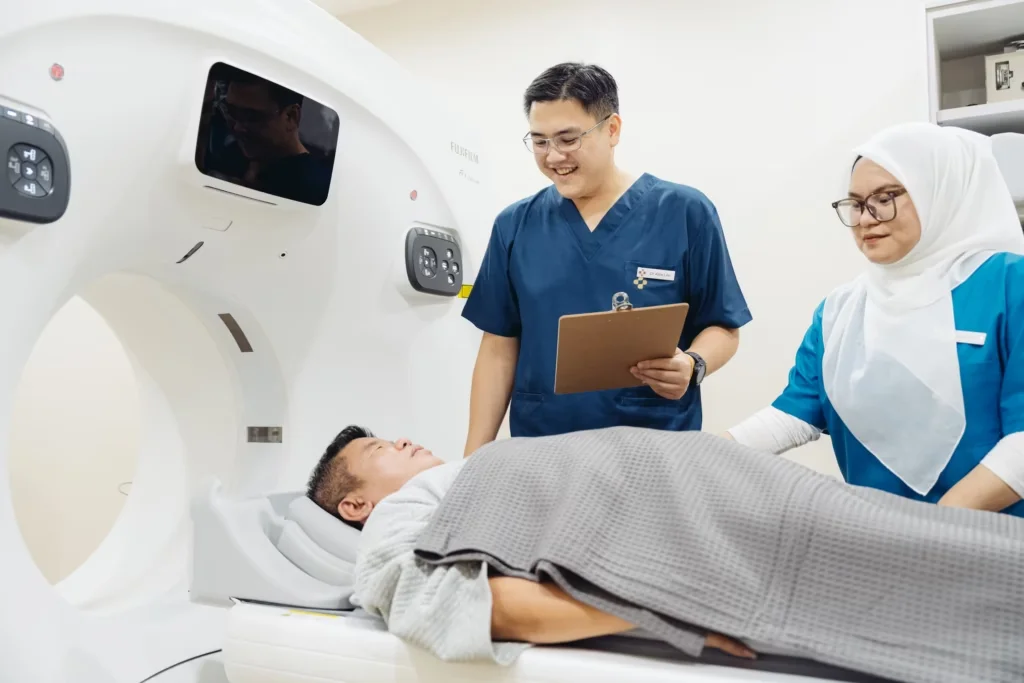
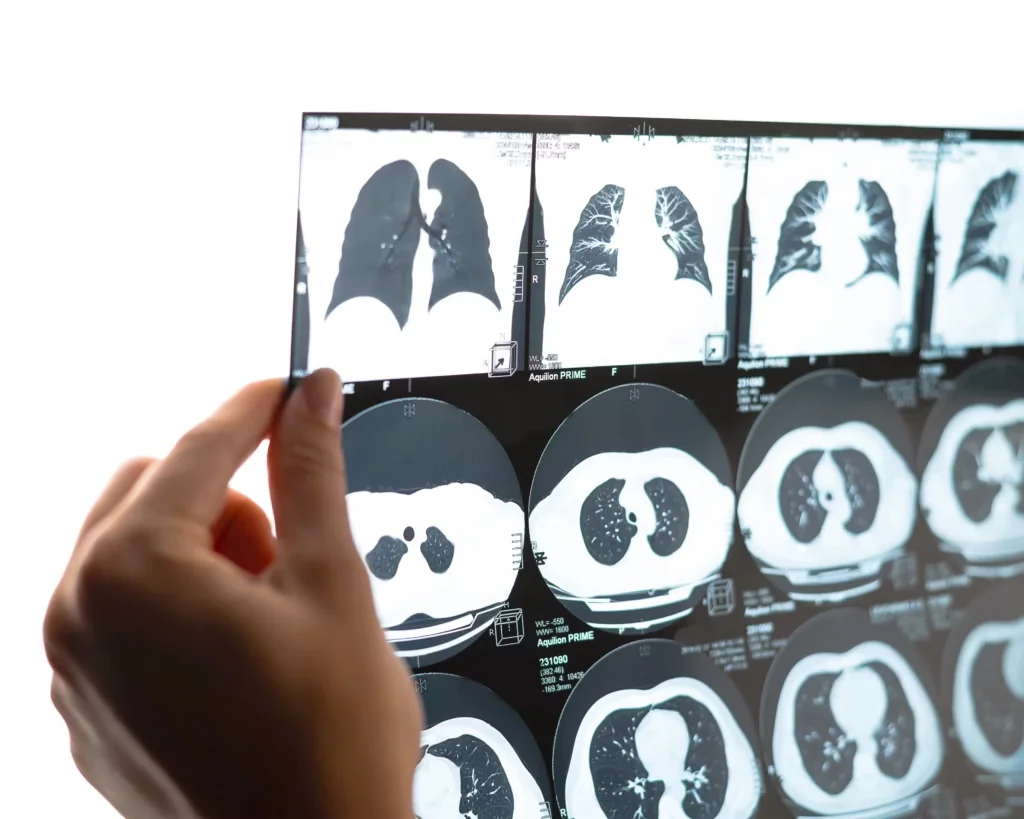
At Premium Pro, lung health screening is approached with early detection in mind. LDCT uses advanced CT imaging to produce detailed cross-sectional images of the lungs, allowing doctors to detect small nodules or suspicious changes that may not be visible on a normal X-ray.
Premium Pro Healthcare Centre
53 & 55, Jalan Mutiara Emas 10/2,
Taman Mount Austin,
81100 Johor Bahru, Johor Darul Ta’zim
018-762 8355
Conclusion: A More Informed Way to Look at Lung Health
For smokers and ex-smokers, lung health should not only be reviewed when symptoms appear.
A preventive approach helps you understand your risk earlier, make informed decisions, and take the right next step based on your personal background.
If you are aged 50 and above, currently smoke, used to smoke, or are unsure about your pack-year history, consider speaking to a doctor about whether a Low Dose CT Lung Scan is suitable for you.
At PremiumPro Healthcare Centre in Johor Bahru, our team provides private health screening and consultation to help you better understand your lung health risk.
Book your health screening in JB today and take a proactive step toward better lung health.